
How Tensile Testing Can Enhance Product Development and Design
Understanding the properties of materials is crucial when designing durable and reliable products. One key test that is widely used to assess these properties is tensile testing. At Labthink, we offer a range of tensile strength machines that are designed to evaluate various mechanical properties, providing insights that can significantly influence product development. In this article, we’ll explore how data from tensile testing machines can play a pivotal role in improving product design across different industries.
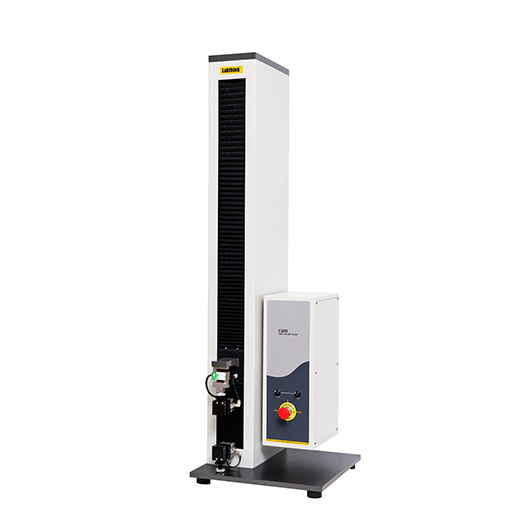
Understanding the Role of Tensile Testing in Product Design
Tensile testing involves measuring the force required to stretch a material until it breaks. This test can provide vital data on the material’s elasticity, tensile strength, and elongation rate, all of which are crucial when designing products that need to withstand stress or pressure. By using a tensile strength machine, designers can assess how a material behaves under various forces, ensuring that the product will perform as expected in real-world conditions. At Labthink, we equip our machines with advanced features like servo control systems and high-precision mechanisms to guarantee accurate and reliable results.
How Tensile Data Impacts Material Selection
One of the primary uses of tensile testing data is to guide the selection of appropriate materials. For example, when designing packaging or construction components, understanding the tensile strength and flexibility of materials is essential to ensure they meet safety and durability standards. Our tensile testing machines are capable of testing a wide range of materials, from plastic films to rubber and composite materials, making it easier for designers to choose the most suitable material for the job. Additionally, data from tests like the tear resistance and heat seal strength tests can inform decisions about material layering and bonding methods, which directly affect product performance.
Ensuring Consistency and Reliability in Manufacturing
Once materials have been selected, maintaining consistency in manufacturing is key. Tensile testing helps monitor the quality of raw materials and the consistency of finished products, ensuring that they meet design specifications. Tensile strength machines can detect variations in material properties that might indicate manufacturing defects or inconsistencies. This data is crucial for optimizing production processes and reducing waste. At Labthink, we ensure that our tensile testing machines are equipped with overload protection and automatic reset features to make testing safer and more accurate, promoting reliable production runs.
Using Tensile Testing Data for Product Performance Optimization
By utilizing data from tensile strength machines, product designers can make informed decisions about product performance, such as load-bearing capacity, flexibility, and longevity. Testing materials under different conditions, such as stretching, peeling, or puncturing, provides a comprehensive understanding of how a product will behave during use. With Labthink’s tensile testing machines, designers can simulate real-life stresses to optimize product durability and functionality. This data also helps in making adjustments to product design and material choice, ensuring that the final product performs efficiently in the intended environment.
Conclusion
Tensile testing provides essential data that helps shape product design in meaningful ways. By using tensile testing machines from Labthink, product developers can gain insights into the behavior of materials, make informed decisions about material selection, and ensure consistency during manufacturing. The ability to predict a material’s performance based on tensile strength testing is an invaluable tool for any product design team aiming to create reliable and durable products.